The Impact of IoT on Urban Transportation Systems
As urban areas continue to grow, the need for efficient transportation systems has never been more critical. The Internet of Things (IoT) is playing a pivotal role in transforming how we approach urban transportation, improving both the efficiency and the sustainability of these systems.
Understanding the Basics of IoT in Transportation
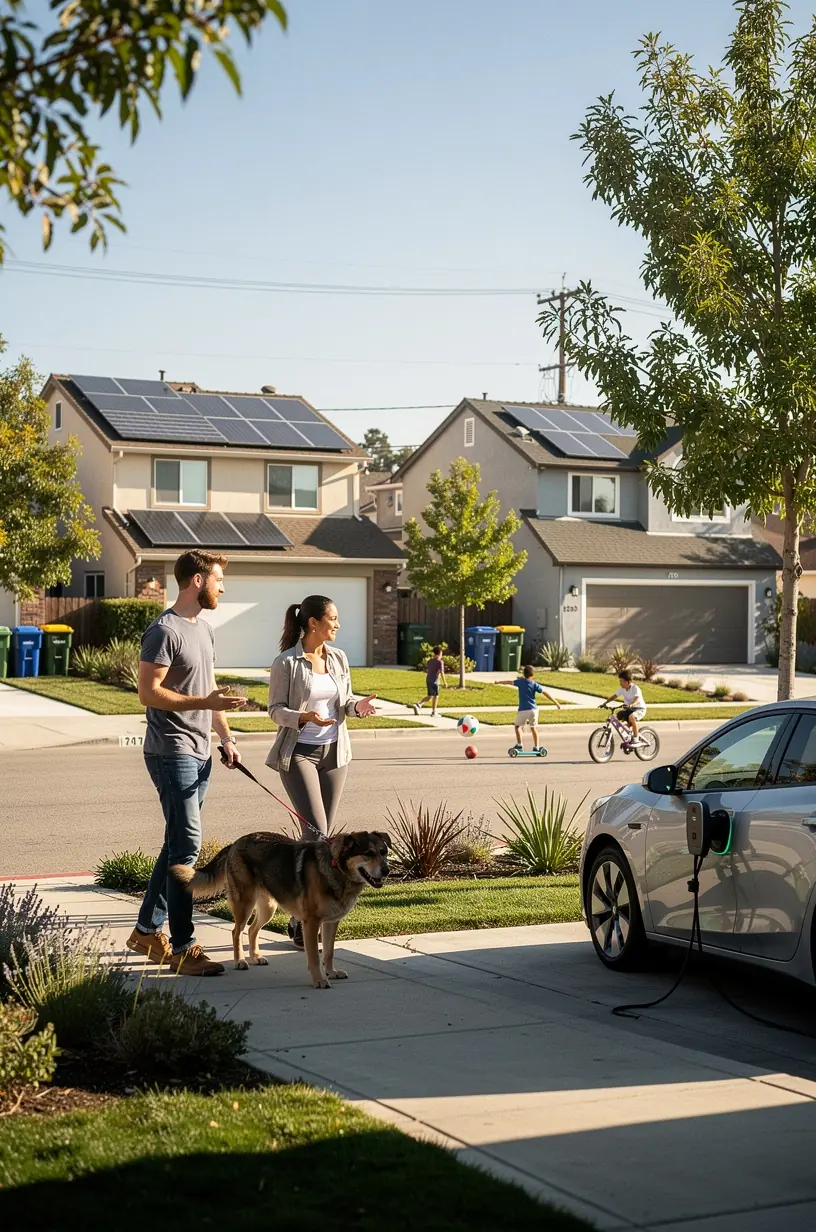
The Internet of Things refers to a network of interconnected devices that communicate and exchange data. In the context of urban transportation, IoT technologies can include sensors, GPS devices, and smart traffic signals. According to industry experts, these technologies can help optimize traffic flow and reduce congestion in residential districts.

"Research indicates that cities adopting IoT solutions for transportation can see a reduction in traffic delays by up to 30%."
How IoT Improves Transportation Efficiency
There are several ways that IoT enhances urban transportation systems:
- Real-time data collection: IoT devices gather data on traffic patterns, which can be analyzed to improve route planning and reduce congestion.
- Smart traffic management: Systems equipped with IoT technology can adjust traffic signals based on current traffic conditions, promoting a smoother flow.
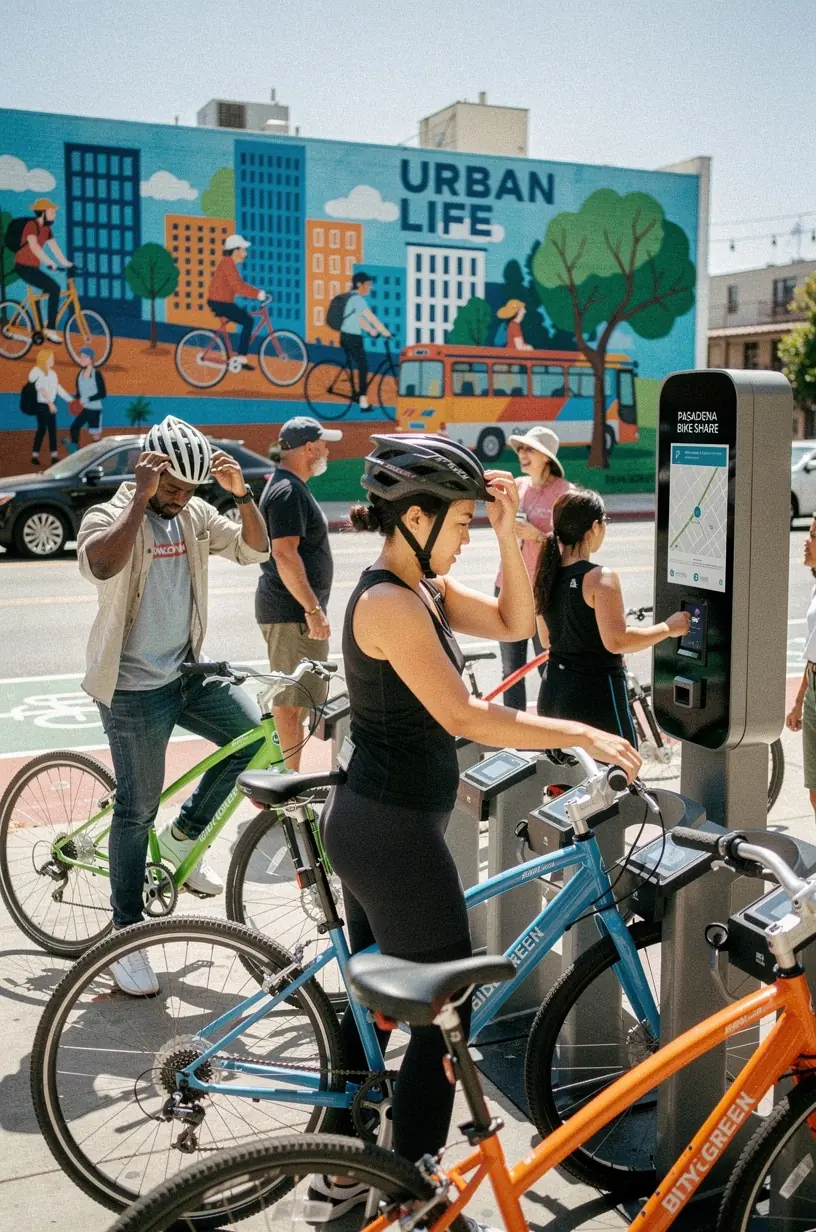
- Enhanced public transportation: IoT can improve the reliability of public transit schedules by providing real-time updates to commuters, leading to better user experiences.
Challenges and Considerations
While the benefits of IoT in urban transportation are significant, there are challenges that cities must address:
- Data privacy concerns: The collection of data from individuals raises important questions about privacy and security.
- Infrastructure investment: Implementing IoT solutions typically requires significant investments in infrastructure and technology.
- Integration with existing systems: Many cities face challenges in integrating IoT technologies with legacy systems, which may limit their effectiveness.
Conclusion
The implementation of IoT in urban transportation systems holds great promise for enhancing efficiency and improving the daily lives of residents. However, cities must approach these technologies thoughtfully, addressing potential challenges while maximizing the benefits. By prioritizing infrastructure and ensuring data security, urban areas can leverage IoT to create a more sustainable and efficient transportation network for all.
Learn More