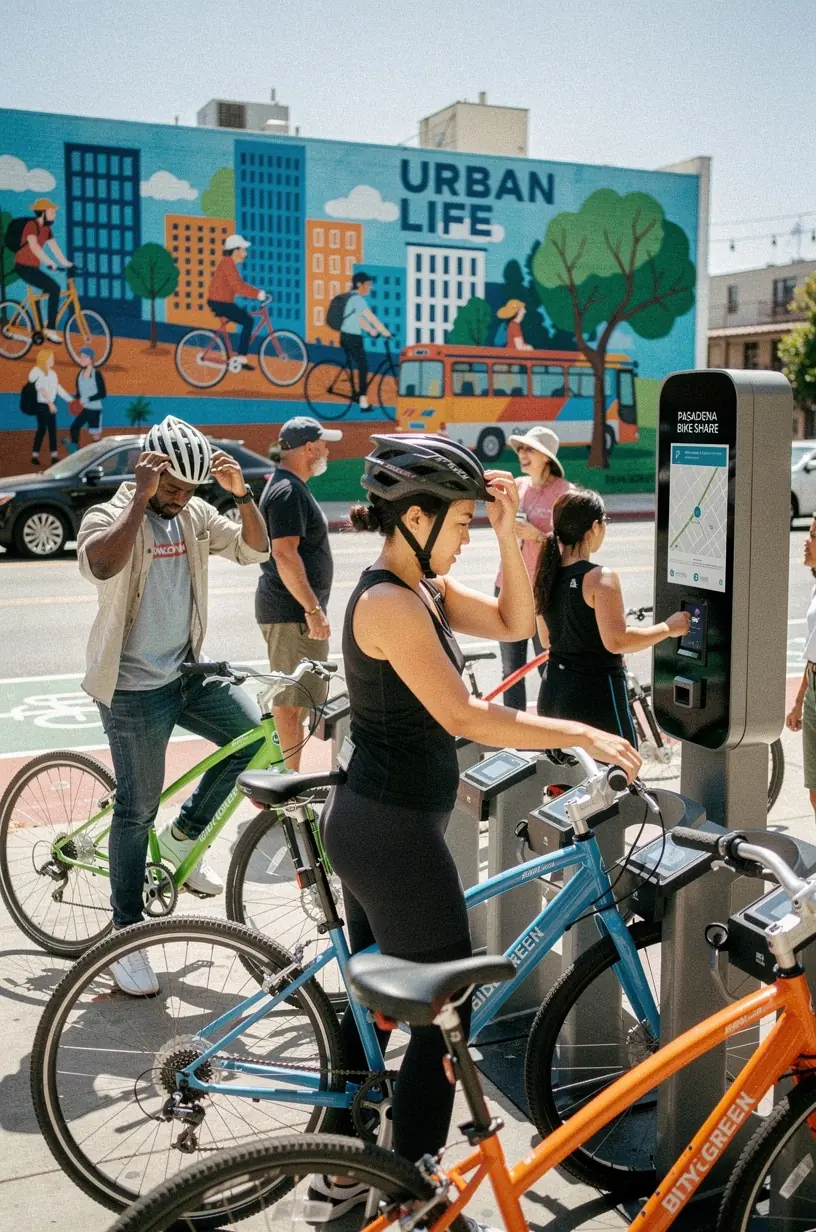
Understanding the Benefits of Shared Mobility Solutions
Shared mobility solutions have emerged as a vital component of urban innovation, providing accessible and flexible transportation options for residents in bustling cities across Canada. This article delves into the advantages of these solutions and sheds light on how they might improve daily life in residential districts.
Understanding the Basics
Shared mobility encompasses various transportation services, including car-sharing, ride-hailing, bike-sharing, and scooter-sharing. According to recent studies, these services can significantly reduce the number of vehicles on the road, leading to decreased congestion and pollution in urban environments. The principle behind shared mobility is simple: by allowing multiple users to access and utilize the same vehicles, communities can optimize transportation resources.

"Shared mobility can reduce individual car ownership, which is often seen as a key factor in urban traffic congestion." - Urban Mobility Expert
Benefits of Shared Mobility Solutions
Many users report a variety of benefits associated with shared mobility. Below are some notable advantages:
- Cost Savings: Utilizing shared mobility services can reduce transportation costs. Research indicates that households can save up to $10,000 annually by opting for shared mobility over personal vehicle ownership.
- Environmental Impact: Shared mobility solutions often lead to lower carbon emissions. A report by the Transportation Research Board suggests that ride-sharing can decrease greenhouse gas emissions by approximately 20% when compared to traditional travel methods.
- Convenience and Accessibility: Many individuals find that these services increase mobility options, especially in areas with limited public transport. As urban areas continue to expand, the demand for flexible travel solutions will likely increase.
Challenges and Considerations
While shared mobility offers numerous advantages, it is essential to acknowledge some challenges. For instance, users may encounter availability issues during peak times or in less populated areas. Additionally, the initial learning curve associated with new apps and platforms can be a barrier for some residents.
Implementing shared mobility solutions typically requires collaboration between local governments and service providers. Cities need to create infrastructure that supports these services, such as designated parking areas and clear traffic regulations. This process can take time, often involving public consultations and strategic planning.
Conclusion
In summary, shared mobility solutions hold the potential to significantly enhance urban living in Canada. While they present several benefits such as cost savings, environmental impact, and increased accessibility, challenges must also be addressed through effective infrastructure and policy support. As technology continues to evolve, the integration of shared mobility into daily life may become a standard practice in urban districts, leading to smarter, more sustainable cities for future generations.