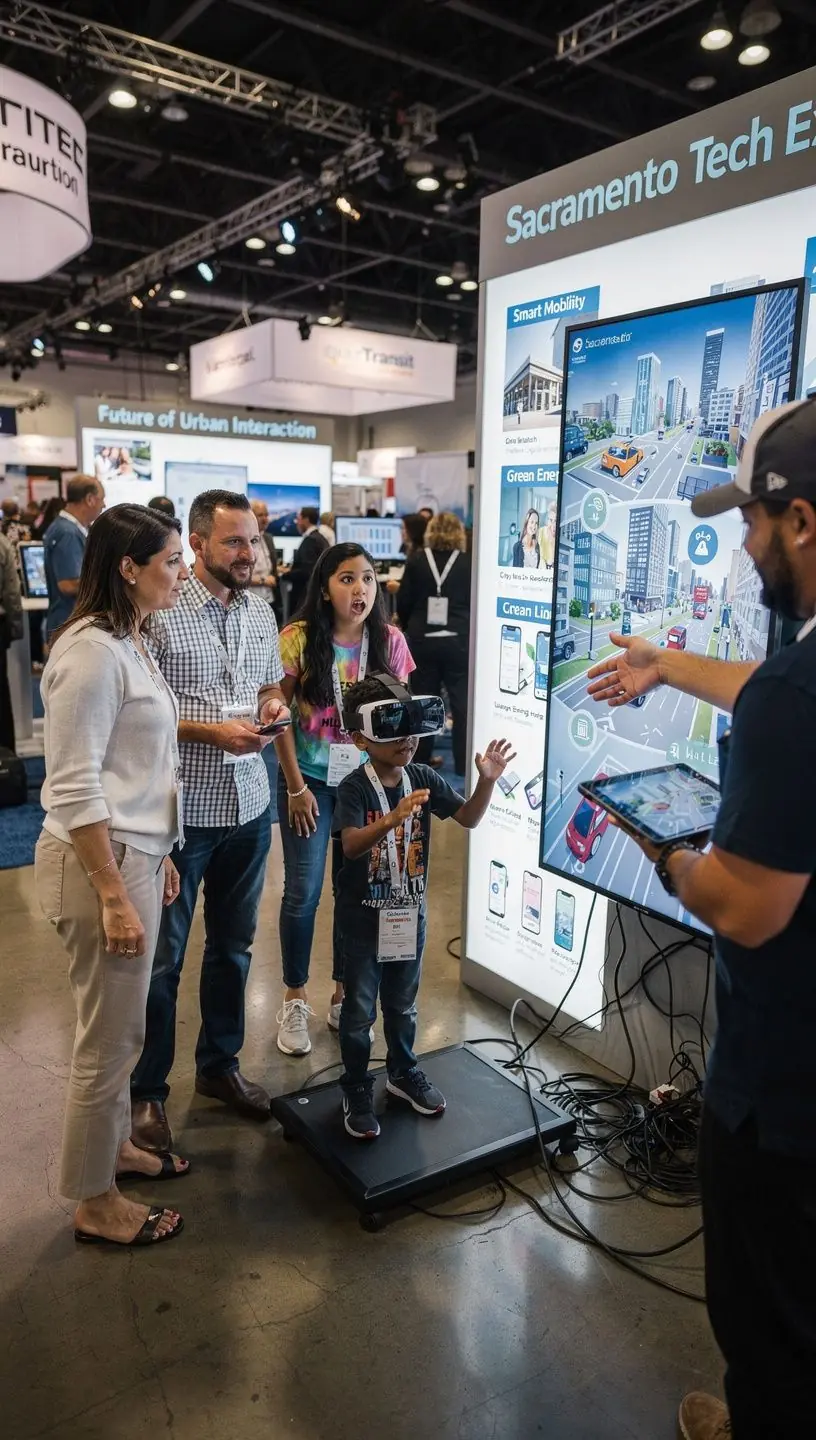
Exploring Smart Homes in Urban Environments
As urban living becomes increasingly prevalent, the integration of technology into residential districts has transformed the way we interact with our homes. In this article, we delve into the concept of smart homes and how they are reshaping urban lifestyles.
Understanding Smart Homes
Smart homes leverage technology to enhance convenience, security, and energy efficiency. According to a report from Statista, the number of smart homes in Canada is expected to grow significantly, indicating a shift in consumer preferences towards automated living solutions. These systems typically include smart devices that can be controlled remotely through smartphones or other connected devices.

"Smart home technology is revolutionizing the way we manage our day-to-day lives, providing greater control and efficiency."
Key Features of Smart Homes
Many users report that integrating smart technology in their homes leads to a more streamlined living experience. Here are some common features:
- Smart Lighting: Systems that allow you to control the brightness and color of your lights remotely, which can save energy and set moods.
- Smart Security: Devices such as cameras and door locks that can be monitored and controlled from your phone, enhancing safety.
- Home Automation: The ability to schedule and automate daily tasks, such as adjusting the thermostat or turning off appliances, which can lead to increased energy savings.
The Benefits of Smart Homes in Urban Areas
Implementing smart home technology often leads to various benefits, particularly within dense urban environments:
- Increased Efficiency: Studies show that smart thermostats can reduce energy consumption by approximately 10-15%, making residences more sustainable.
- Enhanced Security: Many experts recommend smart security systems as they provide real-time notifications and remote access, which can deter potential threats.
- Improved Quality of Life: Smart home systems often lead to reduced stress, as they can manage daily tasks seamlessly, allowing residents to focus on what matters most.
Challenges to Consider
While the benefits are considerable, it's also important to acknowledge some limitations:
- Initial Costs: Setting up smart home technology can require a significant upfront investment, which may not be feasible for all households.
- Learning Curve: Users may face a learning curve in understanding how to effectively utilize the technologies, which typically takes time and practice.
- Compatibility Issues: Not all smart devices work seamlessly together, and compatibility can be an issue when integrating multiple brands.
Conclusion
Smart homes represent an evolution in how we experience urban living, providing numerous advantages in energy efficiency, security, and overall quality of life. However, it's essential to approach this technology with a realistic understanding of the initial costs and the learning required. As the trend towards smart homes continues to grow, residents in urban environments can expect to benefit from the enhanced convenience and efficiency these systems offer.
Learn More