Understanding the Role of Urban Green Spaces
Urban green spaces play a crucial role in enhancing the quality of life in residential districts, particularly in urban areas like Canada. This article explores how these spaces contribute to community well-being, environmental sustainability, and social interaction.
The Importance of Urban Green Spaces
According to research conducted by the American Journal of Public Health, access to green spaces is linked to improved mental health outcomes. Urban green spaces, such as parks, gardens, and recreational areas, can help reduce stress and promote physical activity. This is essential in densely populated urban environments where access to nature may be limited.
"Studies indicate that spending time in green environments can lead to a 20-30% increase in overall well-being for urban residents."
How Urban Green Spaces Enhance Daily Life
Urban green spaces serve multiple functions that enhance daily life in residential districts. Here are some key benefits:
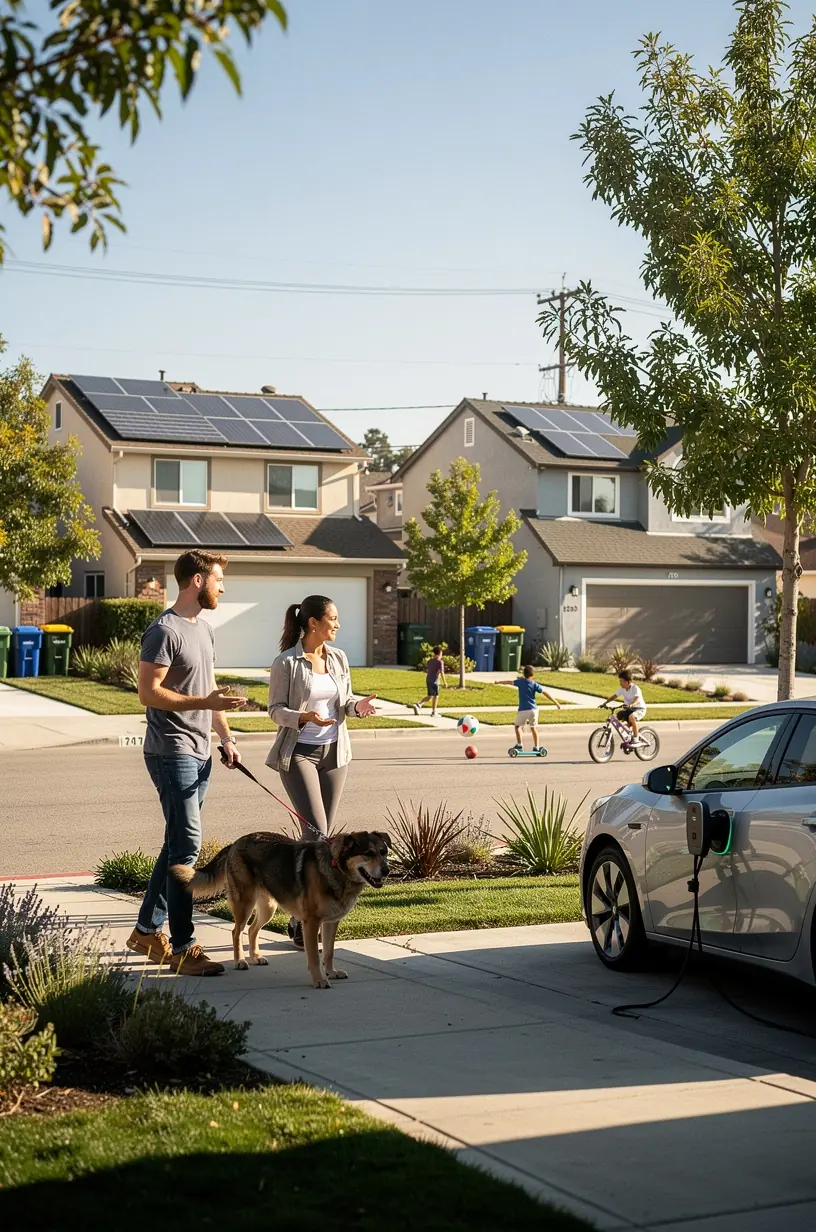
- Promoting Physical Activity: Parks and recreational areas encourage walking, jogging, and cycling, which can improve physical health. Many users report feeling more motivated to exercise when green spaces are easily accessible.
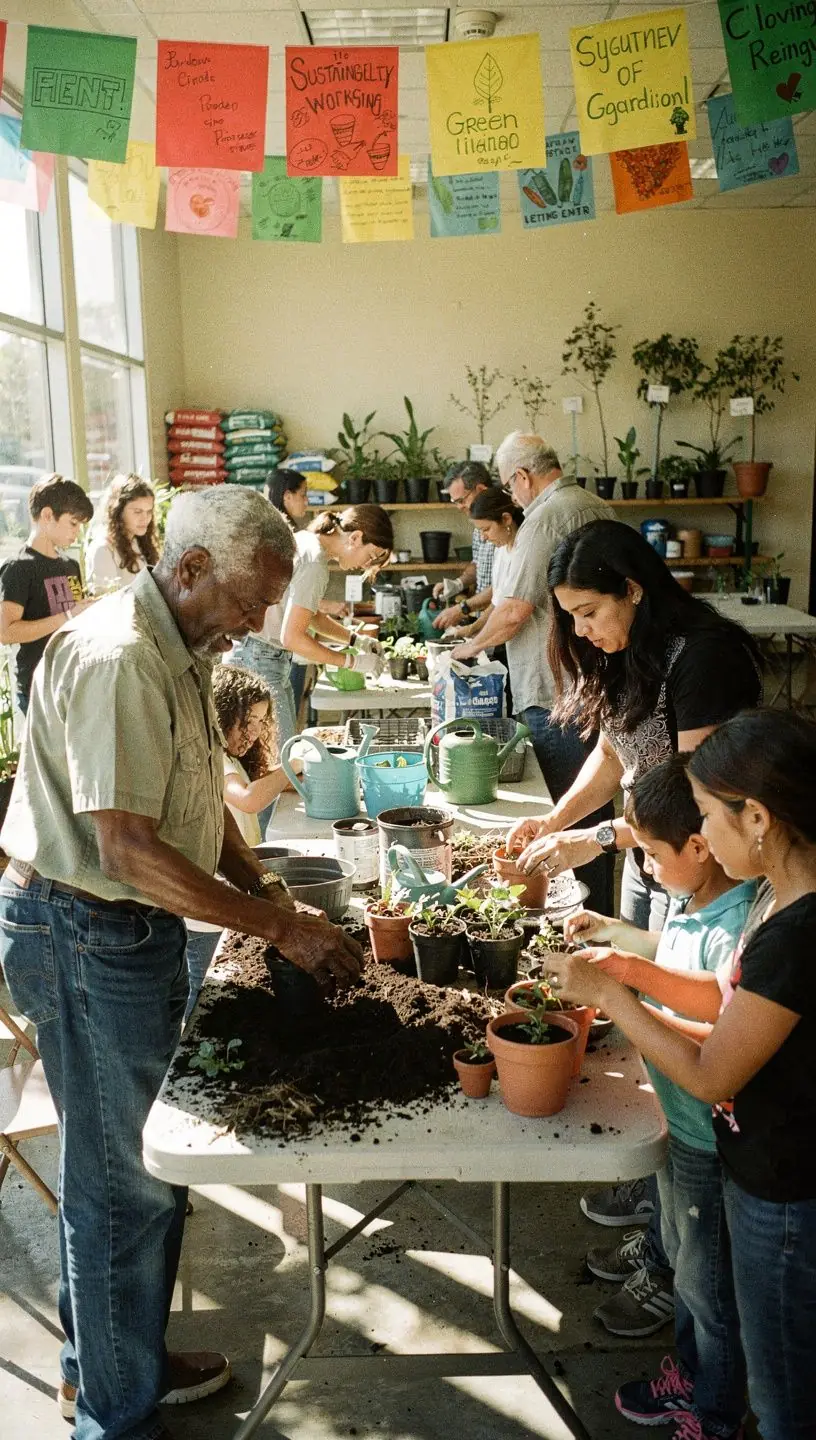
- Fostering Community Interaction: Green spaces often serve as social hubs where residents can gather, participate in events, or simply enjoy each other's company. Research suggests that neighborhoods with accessible parks often have stronger community ties.
- Improving Air Quality: Plants in urban green spaces help filter pollutants and improve air quality. According to the Environmental Protection Agency, urban greenery can significantly reduce urban heat and lower the risk of respiratory problems among residents.
Challenges and Limitations
While urban green spaces offer numerous benefits, there are challenges associated with creating and maintaining them:
- Space Limitations: In many urban areas, land is at a premium, making it difficult to allocate space for green initiatives. This often requires innovative solutions, such as rooftop gardens or vertical gardening.
- Maintenance Needs: Sustaining green spaces requires ongoing maintenance, which can be a challenge for cities with limited budgets. Community involvement in maintenance can help address this issue.
- Public Safety Concerns: Some residents may feel unsafe in poorly maintained or isolated green areas. Engaging the community in planning and design can help ensure these spaces are welcoming.
Conclusion
Urban green spaces are not merely aesthetic enhancements; they are vital components of healthy urban living. Their ability to promote physical health, foster social connections, and improve environmental quality makes them essential for residential districts. However, creating and maintaining these spaces involves challenges that require collaborative efforts from local governments, communities, and organizations. Investing in urban greenery can yield substantial benefits, helping to transform urban areas into more livable, sustainable environments.